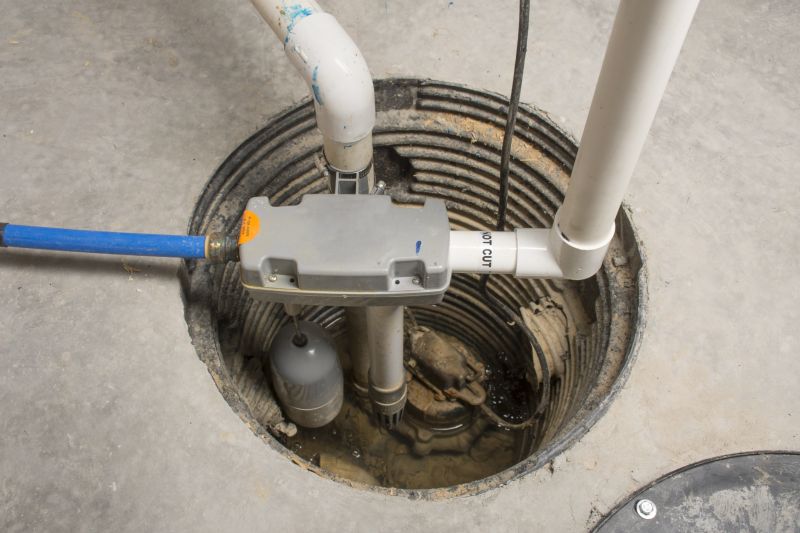
Ejector Pump Installation in Boston, MA
Ejector pump installation services are designed to help homeowners manage wastewater and sewage that originate below the main sewer line or in locations where gravity drainage is not feasible. These systems are commonly used in basement bathrooms, laundry rooms, or other areas where traditional drainage methods cannot be employed. An ejector pump works by collecting wastewater in a basin and then pumping it upward to connect with the main sewer line, ensuring proper flow and preventing backups. Property owners typically seek this service when remodeling or constructing new bathrooms in below-grade spaces, or when existing drainage systems are inadequate for changing needs.
Before requesting ejector pump installation, property owners usually want to understand the scope of the project, including the size and type of the pump suitable for their space, as well as the placement of the basin and piping. It's also important to consider the electrical requirements and maintenance needs of the system. Proper installation ensures reliable operation and minimizes the risk of leaks or failures. Consulting with a professional can help determine the most appropriate system for the property’s layout and ensure compliance with local building codes.
Many property owners in Boston, MA look into Ejector Pump Installation for repairs, replacements, upgrades, and appearance-related improvements.
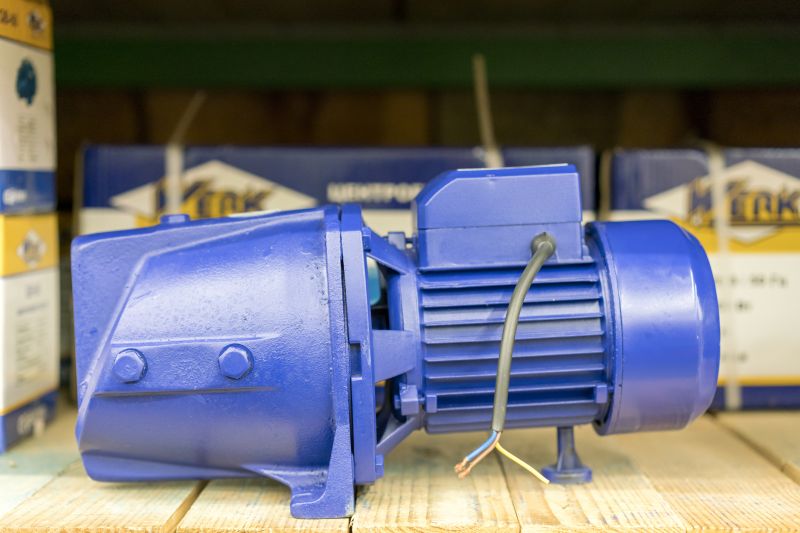
Ejector Pump System Basics
Ejector pumps help remove wastewater from below-grade plumbing fixtures in residential and commercial properties.
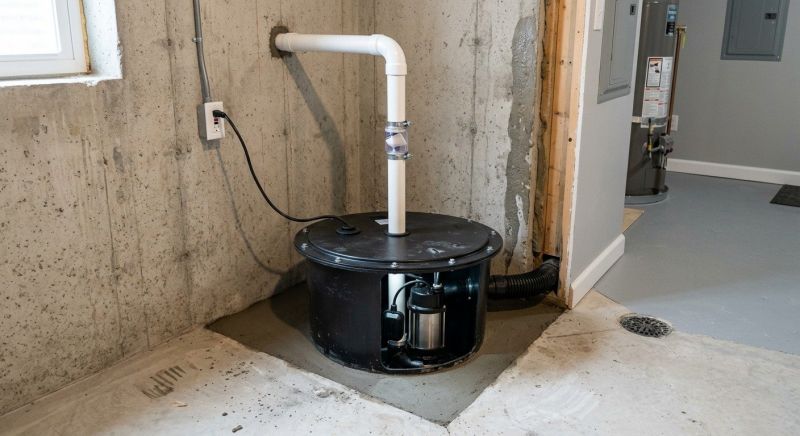
Common Installation Projects
Installing ejector pumps is essential for basement bathrooms, laundry rooms, and other below-ground plumbing needs.
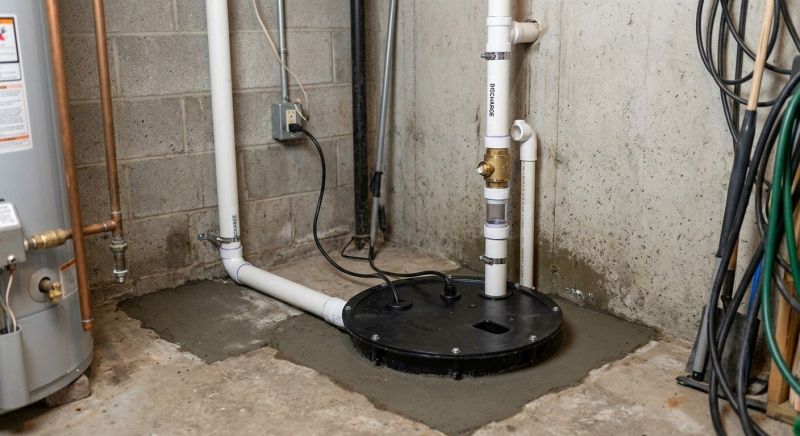
Maintenance And Troubleshooting
Proper maintenance ensures reliable operation and prevents backups or overflows in boston-area properties.
Ejector Pump Installation in Boston, MA

Ejector pump installation services are designed to help homeowners manage wastewater and sewage that originate below the main sewer line or in locations where gravity drainage is not feasible. These systems are commonly used in basement bathrooms, laundry rooms, or other areas where traditional drainage methods cannot be employed. An ejector pump works by collecting wastewater in a basin and then pumping it upward to connect with the main sewer line, ensuring proper flow and preventing backups. Property owners typically seek this service when remodeling or constructing new bathrooms in below-grade spaces, or when existing drainage systems are inadequate for changing needs.
Before requesting ejector pump installation, property owners usually want to understand the scope of the project, including the size and type of the pump suitable for their space, as well as the placement of the basin and piping. It's also important to consider the electrical requirements and maintenance needs of the system. Proper installation ensures reliable operation and minimizes the risk of leaks or failures. Consulting with a professional can help determine the most appropriate system for the property’s layout and ensure compliance with local building codes.
Many property owners in Boston, MA look into Ejector Pump Installation for repairs, replacements, upgrades, and appearance-related improvements.
Common Ejector Pump Installation Jobs
Ejector Pump Installation - Installing ejector pumps to manage waste and sewage in basement or lower-level bathrooms.
Foundation Drainage - Setting up ejector pumps to prevent basement flooding caused by wastewater backup.
Bathroom Remodels - Integrating ejector pumps when adding or updating bathrooms below sewer line level.
New Construction Projects - Installing ejector pumps during the building process for proper waste removal systems.
Sump and Wastewater Systems - Upgrading or replacing ejector pumps to improve property drainage and sanitation.
Property Renovations - Adding ejector pumps to accommodate new plumbing fixtures in existing structures.
Ejector Pump Installation Questions
What is an ejector pump used for? An ejector pump helps remove wastewater from basement bathrooms, laundry rooms, or other areas below the main sewer line, preventing backups and flooding.
When is installation of an ejector pump needed? Installation is typically needed when plumbing fixtures are located below the sewer line or in areas where gravity drainage isn't possible.
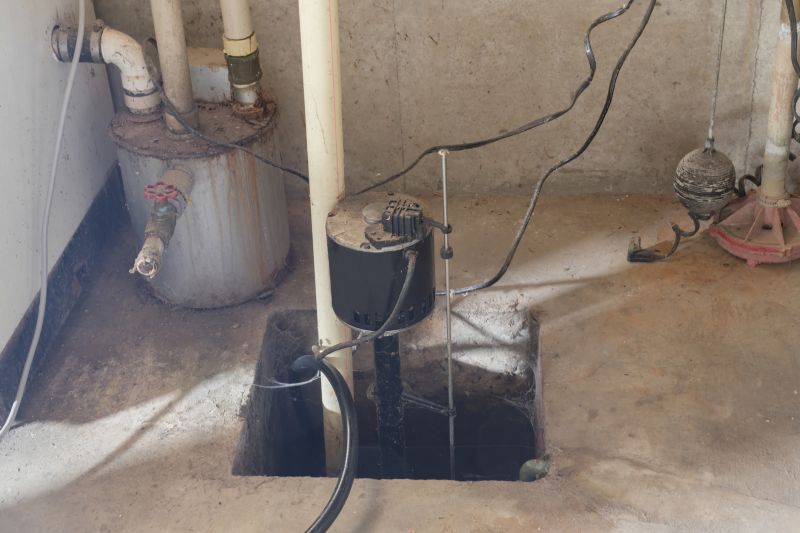
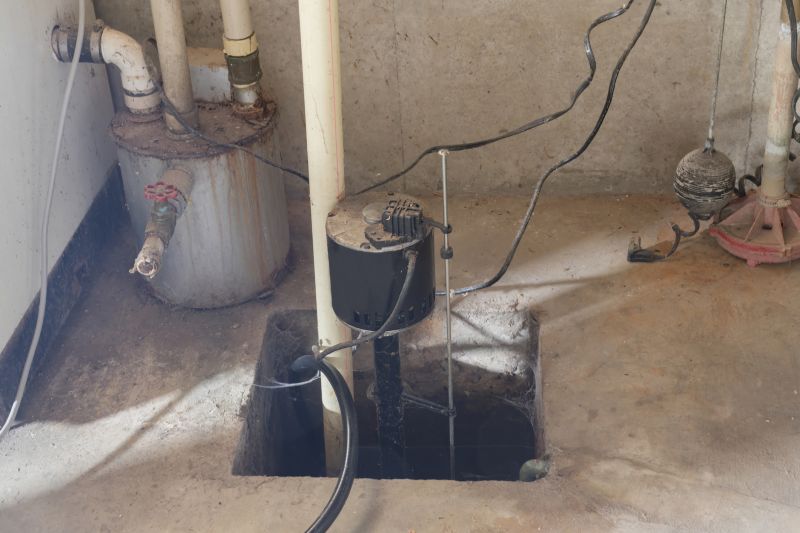
How does an ejector pump work? It collects wastewater from fixtures and uses a motorized pump to push it upward into the main sewer line or septic system.
What should property owners consider before installing an ejector pump? It's important to assess the plumbing setup and ensure proper venting and discharge options are available for the pump system.
Request Ejector Pump Installation in Boston, MA
Use the quote form on this page to share the basics of your project and request more information for the type of work you need.